
How to Increase Restaurant Delivery Sales: 2026 Playbook
Discover how to increase restaurant delivery sales in 2026. Optimize menus, use professional photos, and master direct ordering to maximize your profits.

In this guide
- Table of Contents
- Diagnose Your Delivery Funnel Before You Act
- Find the stage where demand is leaking
- Use a simple weekly review
- What owners should check tomorrow morning
- Win the Click with High-Converting Visuals and Menus
- Treat photos like your storefront
- Build a visual testing routine
- Tighten the menu copy around the image
- Engineer Your Menu for Maximum Profitability
- Start with margin, not popularity
- Use the Golden Triangle on every delivery menu
- Bundle with intent
- Optimize Your Channel Mix Direct vs Third-Party
- Use marketplaces for discovery, not dependence
- Move customers to owned channels without friction
- Drive Repeat Business with Smart Promotions and Loyalty
- Match the offer to the ordering habit
- Keep loyalty simple enough to use
- Promotions that train the right behavior
- Streamline Fulfillment for Flawless Operations
- One order flow beats five separate ones
- Package for the trip, not the pass
- Turn fulfillment into a growth lever
Delivery sales usually don't stall because of one big failure. They stall because small leaks stack up. Your food looks average on the app, your best-margin dishes sit halfway down the menu, third-party orders stay third-party forever, and the kitchen treats delivery like an add-on instead of a core service.
That's the reality for a lot of operators right now. Orders come in, but not enough of the right ones. Margin gets squeezed. You're busy, yet delivery still feels unpredictable.
The fix isn't a random promotion or another app. It's tightening the whole system. Digital presentation gets the click. Menu structure shapes what people buy. Channel strategy determines whether those sales are profitable. Operations decide whether customers come back. If you want to know how to increase restaurant delivery sales, that's the playbook that holds up under pressure.
Table of Contents
- Diagnose Your Delivery Funnel Before You Act
- Win the Click with High-Converting Visuals and Menus
- Engineer Your Menu for Maximum Profitability
- Optimize Your Channel Mix Direct vs Third-Party
- Drive Repeat Business with Smart Promotions and Loyalty
- Streamline Fulfillment for Flawless Operations
Diagnose Your Delivery Funnel Before You Act
Most restaurants attack delivery like a menu problem when it's really a funnel problem. If your listing gets seen but nobody clicks, photos and title positioning matter. If people click but don't add items, the menu or pricing mix is weak. If they build carts and disappear, checkout friction, fees, or trust issues are getting in the way.
Think of delivery as a leaky bucket. Pouring more marketing into it won't help until you find the hole.

Find the stage where demand is leaking
Open the analytics inside Uber Eats, Deliveroo, Just Eat, DoorDash, or your first-party ordering system. You're looking for a sequence, not a vanity metric.
Track these checkpoints:
- Discovery: How many people saw your store or menu.
- Click-through: How many of those people opened your listing.
- Cart activity: Which items get viewed, added, or ignored.
- Checkout completion: Where carts die.
- Repeat behavior: Which customers return, and through which channel.
When owners skip this, they often solve the wrong problem. I've seen restaurants discount heavily when the underlying issue was weak hero images. I've also seen operators spend on new photography when the actual blocker was a cluttered menu with too many low-trust items near the top.
Practical rule: Don't change three things at once. If you update photos, descriptions, and pricing on the same day, you won't know what moved sales.
Use a simple weekly review
A fast review beats a complicated dashboard nobody checks. Every week, compare your bestsellers, your highest-margin dishes, and your most-viewed dishes. Those lists shouldn't be wildly different. If they are, your menu is sending mixed signals.
Use a short worksheet like this:
| Question | What to look for | Likely fix |
|---|---|---|
| Are impressions low? | Your listing isn't getting enough visibility | Improve visuals, naming, promotions, and menu relevance |
| Are clicks low? | People see you but don't open the store | Upgrade cover image, thumbnails, and value cues |
| Are adds-to-cart weak? | Menu gets browsed but not chosen | Simplify categories, rewrite item names, lead with stronger dishes |
| Are carts abandoned? | Interest exists but orders don't close | Reduce friction, test bundles, sharpen pricing logic |
| Are repeat orders soft? | First-time buyers don't return | Add bounce-back offers, loyalty, and better post-order experience |
What owners should check tomorrow morning
Don't start with a rebrand. Start with evidence.
- Pull the top ten viewed items: See whether those dishes deserve the attention.
- Check thumbnail consistency: If half your menu has good photos and half looks improvised, customers feel the difference instantly.
- Read your own menu as a stranger: Long category lists, duplicate items, and vague names kill momentum.
- Review order complaints by item: Delivery doesn't forgive dishes that travel badly.
A delivery business gets stronger when each stage hands off cleanly to the next. Discovery should lead to clicks. Clicks should lead to confidence. Confidence should lead to bigger baskets and repeat orders. Until you know where that breaks, every tactic is a guess.
Win the Click with High-Converting Visuals and Menus
On delivery apps, photos do the job your dining room used to do. They communicate quality before a customer reads a word. If the image looks flat, dark, greasy, or inconsistent with the brand, people scroll past.
That's why I treat visuals as revenue infrastructure, not decoration.
Treat photos like your storefront
The gap here is bigger than most owners realize. Altametrics notes that restaurants with menu photos can receive up to 70% more orders, and that improving visuals can boost conversions by up to 30%. The same source also points out that independent operators often don't have a practical testing process for photo performance, which is exactly why so many menus stay visually weak for months.

Poor delivery photography usually fails in predictable ways:
- Lighting is wrong: Overhead kitchen light makes food look dull and uneven.
- Framing is random: The dish is too far away, cropped badly, or buried in clutter.
- The image doesn't match the experience: Stock-style polish can feel fake. Casual phone snaps can feel low effort.
- There's no consistency: One item looks premium, the next looks like a staff meal.
Customers don't analyze this consciously. They just feel less certainty, and uncertainty kills clicks.
Good delivery visuals should look real, branded, and appetizing in a thumbnail first. Full-size beauty matters less than stopping the scroll.
If your team is still relying on rushed phone shots, it's worth reviewing practical guidance on taking better food photos for restaurant menus. The goal isn't to make food look different. It's to make it look as good online as it does when it lands on the pass.
Build a visual testing routine
Most operators don't need a full content calendar. They need a repeatable test.
Run your photo updates like this:
- Pick five priority items. Start with your most profitable delivery dishes, not the entire menu.
- Replace only those images. Leave pricing and descriptions alone for a short review period.
- Watch click and order movement by item. You're looking for relative lift inside your own menu.
- Keep the winners. Then move to the next five items.
The highest-value image isn't always the most beautiful one. The best photo is the one that gets ordered. Sometimes that's a tighter crop, a brighter angle, or a shot that shows portion size more clearly.
Tighten the menu copy around the image
Photos pull people in. Copy closes the gap between interest and action.
Shorter descriptions usually win on delivery because customers are making fast decisions. Name the protein, the format, the standout texture, and one signature element. “Crispy chicken burger with house slaw and smoky mayo” does more work than a long paragraph about your brand story.
Use these quick checks:
- Lead with recognizable language: Don't hide the main ingredient in the second line.
- Name the texture: Crispy, creamy, juicy, charred. Sensory words help people decide.
- Remove filler: “Delicious,” “amazing,” and “mouth-watering” don't add trust.
- Clarify the bundle: If fries or dip are included, say so immediately.
The operators who grow delivery fastest usually do one thing better than everyone else. They reduce uncertainty at speed. Strong photos, clean naming, and focused descriptions make ordering feel easy. That's what wins the click.
Engineer Your Menu for Maximum Profitability
A delivery menu can be busy and still underperform. The reason is simple. Many restaurants feature what sells, not what pays.
That's a mistake when delivery fees, packaging, and labor already pressure margins.

Start with margin, not popularity
The discipline here is menu engineering. First calculate each dish's contribution by subtracting ingredient, labor, and cooking-related costs from the selling price. Then compare that margin against demand.
The trap is familiar. A restaurant pushes a popular low-margin item to the top because it moves volume, while a stronger-margin item sits lower with a weak description and no image. That's not a sales problem. It's a merchandising problem.
According to VGrubs' guidance on the Golden Triangle and menu engineering, high-margin items with 70%+ profit margins deserve special placement and visual emphasis. The same source notes that pairing strategic placement with strong photography can push an incremental 20-30% sales lift, especially on third-party platforms where attention is limited.
A simple working grid helps:
| Item type | What it means | What to do |
|---|---|---|
| High profit, high demand | Your stars | Feature aggressively |
| High profit, low demand | Your puzzles | Improve naming, placement, and photo |
| Low profit, high demand | Your traffic drivers | Reprice, resize, or bundle |
| Low profit, low demand | Your drags | Remove or hide |
Use the Golden Triangle on every delivery menu
The Golden Triangle is the part of the screen where attention lands first: top-left, top-right, and center. Put your strongest-margin dishes there. Don't waste that space on filler categories, low-value add-ons, or items that travel badly.
A few practical rules work well:
- Open with signature dishes: Not the broadest category. Lead with what converts and earns.
- Keep category order intentional: Burgers before sides, bowls before extras, family bundles before drinks, depending on your model.
- Match placement with appetite cues: Sensory words such as juicy, crispy, and creamy help customers commit faster.
- Use realistic photos: Portion truth matters. If the delivered item won't resemble the image, complaints go up.
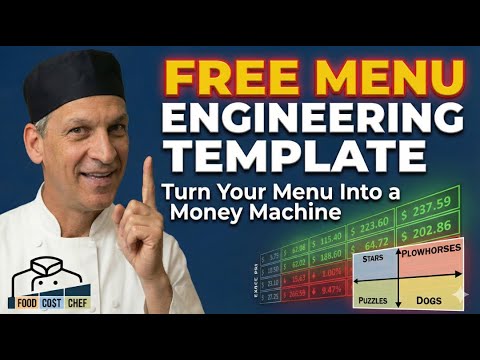
This short breakdown is useful if your team needs a visual refresher before changing the menu layout:
 Watch on YouTube
Bundle with intent
Bundles work when they protect margin and simplify decisions. They fail when they become discount piles.
A profitable bundle usually starts with a high-margin hero item, then adds sides or drinks that increase perceived value without creating kitchen drag.
Try combinations that solve a clear occasion. A solo lunch bundle is different from a Friday family meal. Keep the names plain, the included items obvious, and the substitutions limited. The menu should guide the customer toward your best economics without feeling restrictive.
If you want to know how to increase restaurant delivery sales without racing to the bottom on price, a lot of hidden profit sits in these factors. Better placement. Better sequencing. Better item selection.
Optimize Your Channel Mix Direct vs Third-Party
Third-party apps are useful. They bring demand, discovery, and convenience. But if they own the customer forever, you're paying rent on every repeat order.
That's the core trade-off. Marketplaces are great for acquisition. Direct ordering is where control and margin improve.

Use marketplaces for discovery, not dependence
The strongest operators don't treat this as an either-or decision. They use Uber Eats, Deliveroo, DoorDash, or Just Eat to get found, then build systems that invite customers into first-party channels.
Ordering Stack reports that direct platforms can deliver up to 30% higher profitability than third-party apps, and notes that third-party commissions often run from 15-30%. That difference changes what counts as a good sale.
Here's the comparison in plain terms:
| Channel | Strength | Weakness | Best use |
|---|---|---|---|
| Third-party app | Discovery and demand volume | Lower margin, weaker customer ownership | Customer acquisition |
| First-party ordering | Better economics and direct relationship | Harder to generate initial traffic | Retention and repeat orders |
Move customers to owned channels without friction
Migration only works when the offer is clear and the process is easy. The classic tactic still works because it's simple: include a bounce-back insert in every marketplace order.
Ordering Stack specifically highlights 15% off the next order when placed on the restaurant's own website as an effective bounce-back method for shifting behavior to direct channels. That kind of offer gives the customer a reason to try your site once. Your job after that is to make the direct experience smoother than the app.
Use a practical sequence:
- Inside the bag: Add a bounce-back flyer with a short code and plain instructions.
- On the website: Make reordering fast, mobile-friendly, and uncluttered.
- In the offer: Reward direct behavior with bundles, fee relief, or menu exclusives.
- After the order: Capture consent for email or SMS so the second direct order is easier than the first.
For mobile-first operators, especially smaller formats, some of the same thinking shows up in strong food truck marketing ideas that prioritize owned customer channels.
You don't need to abandon marketplaces. You need to stop treating them like your forever home.
The right mix is strategic. Let third-party apps introduce you. Let direct ordering keep the relationship.
Drive Repeat Business with Smart Promotions and Loyalty
A first order proves someone was curious. A fifth order proves your system works.
Repeat business usually comes from habit, not hype. That's why loyalty outperforms random discounting over time. Future Foods reports that loyalty members visit 20% more frequently and spend 20% more per order than non-members, and that 81% of consumers would join a restaurant loyalty program if offered. The same source says 47% of loyalty members use their memberships several times a month, 32% use them several times a week, and improving retention by 5% can increase profits by 25% to 95%.
Those aren't soft benefits. They change delivery economics.
Match the offer to the ordering habit
Different customers need different reasons to come back.
The lunch regular usually responds to speed and predictability. They don't need a complicated points system. They need a clear reward like “Buy 5, Get 1 Free” on bowls, wraps, or sandwiches they already order during the workweek.
The Friday family customer behaves differently. They order less often, but basket size matters more. A family meal reward, a members-only bundle, or early access to a weekend special works better than a generic discount on a single item.
Then there's the late-night or impulse buyer. For that group, loyalty should feel immediate. A simple perk such as free delivery on the next direct order or a bonus side after a threshold can build a repeat pattern quickly.
Keep loyalty simple enough to use
The best loyalty systems aren't always the most advanced. They're the ones customers understand without thinking.
Use offers like these:
- Visit-based rewards: “Buy 5, Get 1 Free” for your most habitual category.
- Points on direct orders: Best when your own channel can track them cleanly.
- Tiered perks: Good for brands with broad menus and frequent customers.
- Exclusive access: New menu drops, limited dishes, or priority ordering for members.
If your brand needs inspiration on promotion formats, content, and retention ideas, BeauPlat's broader restaurant marketing resources are a useful reference point.
Loyalty should feel like progress, not homework.
Promotions that train the right behavior
A weak promotion gives away margin. A smart promotion teaches the customer how you want them to order.
Use promotions to shape behavior, not just create noise:
- Train channel shift. Offer the better deal on direct orders, not in marketplaces.
- Train basket growth. Reward bundles and add-ons rather than discounting single items.
- Train frequency. Use streak-based or threshold-based rewards that encourage the next order soon.
- Train menu focus. Attach rewards to dishes that travel well and protect margin.
A lot of restaurants run promotions that spike volume and create no long-term value. The customer takes the discount, then disappears. Loyalty works because it gives the next order a reason to happen. That's how delivery sales become steadier and more profitable.
Streamline Fulfillment for Flawless Operations
Front-end growth means nothing if the back end breaks under pressure. A polished menu can win the order once. Fulfillment quality decides whether you get the second and third order.
Late food, missing items, soggy fries, split lids, and confused courier handoffs don't just create refunds. They weaken every sales tactic upstream.
One order flow beats five separate ones
If your team is juggling multiple tablets, handwritten notes, and separate courier workflows, errors are built into the system. Consolidation fixes that.
Olo recommends integrating orders from native channels and third-party marketplaces into a single POS or kitchen management flow. The same source says operators should use API integrations to centralize orders, preserve customer ownership on native channels, and use route optimization so couriers can complete 15-25% more deliveries per hour. It also notes that avoiding fragmented workflows can reduce operational overhead by 20-30%, while commission structures tied to some delivery providers can sit in the 15-30% range.
That changes how a kitchen performs day to day.
A cleaner setup usually includes:
- One screen for all incoming orders: Staff shouldn't need to check three devices.
- One prep sequence: Delivery items need their own flow, not ad hoc handling.
- One ownership point: Someone on shift should own order accuracy and handoff timing.
- One source of truth for availability: If an item is out, every channel should reflect it fast.
Package for the trip, not the pass
Many restaurants package for appearance at pickup, not food condition on arrival. That's backwards.
Hot and cold items should separate. Sauces should stay contained. Fried items need venting if steam will destroy texture. Drinks need stability. Branded stickers help, but structural packaging matters more than branding if the food arrives compromised.
If you're reviewing suppliers or format choices, this guide to takeaway packaging for UK restaurants is a practical reference because it focuses on the transport reality, not just shelf appeal.
Turn fulfillment into a growth lever
Operations and marketing aren't separate in delivery. They feed each other.
When fulfillment is tight, more customers reorder. Direct-channel incentives perform better because trust is higher. Better reviews improve conversion. Staff spend less time fixing mistakes and more time pushing orders out accurately.
The fastest way to waste a good marketing plan is to send out food that doesn't survive the journey.
The kitchens that win delivery usually make a few disciplined choices. They cut menu items that travel badly. They stage courier pickup clearly. They label every bag. They time fries, salads, and sauces differently. None of that is glamorous, but it compounds.
If you're serious about how to increase restaurant delivery sales, don't stop at the screen. Finish the system. Customers don't separate your photo, your menu, your app, and your handoff. They experience one brand. Delivery growth comes when that brand feels reliable from click to doorstep.
If your menu photos are holding back clicks, BeauPlat helps restaurants turn ordinary dish shots into high-definition delivery visuals fast. See how BeauPlat can help you create better-performing images for Uber Eats, Deliveroo, websites, and direct ordering channels without a traditional photo shoot.
Take action
More desirable visuals, without repeat photo shoots
BeauPlat helps restaurants keep a visually consistent menu, publish faster, and convert better on delivery platforms and their own site.
More in this category

10 Best Apps for Restaurant Owners in 2026
Discover the best apps for restaurant owners in 2026. A deep dive into POS, labor, inventory, marketing, and photo tools to boost profit and efficiency.
 Jean de BeauPlatMay 17
10 Best Marketing Strategies for Restaurants in 2026
Discover the 10 best marketing strategies for restaurants in 2026. Boost orders with high-quality photography, local SEO, social media, and more.
Jean de BeauPlatMay 16
AI Food Image Generator: A Restaurant Guide for 2026
Learn how an AI food image generator can boost your restaurant's sales. This guide covers use cases, best practices, ROI, and legal risks for food businesses.
Jean de BeauPlatMay 15
10 Low Cost Marketing Ideas for Restaurants in 2026
Boost sales with these 10 low cost marketing ideas for restaurants. Get actionable tips on social media, local SEO, and partnerships to grow your business.
Jean de BeauPlatMay 14
Best Food Delivery App for Restaurants: 2026 Guide
Discover the best food delivery app for restaurants in 2026. Compare top platforms to boost your orders, manage logistics, and increase your profit margins.
Jean de BeauPlatMay 13
8 Restaurant Food Photography Tips to Boost Sales
Master your menu visuals with our top restaurant food photography tips. Learn lighting, styling, and platform optimization to boost delivery app sales.
Jean de BeauPlatMay 12