
10 Best Marketing Strategies for Restaurants in 2026
Discover the 10 best marketing strategies for restaurants in 2026. Boost orders with high-quality photography, local SEO, social media, and more.

In this guide
- Table of Contents
- 1. High-Quality Food Photography & Visual Content Marketing
- Why visuals deserve more attention
- How to implement it without a full studio budget
- 2. Delivery Platform Optimization & Listing Management
- What strong listing management looks like
- How to tighten the listing fast
- 3. Social Media Marketing & User-Generated Content Strategy
- What this strategy is and why it works
- A practical framework to run it
- What to avoid
- KPIs, effort, and ROI
- 4. Email Marketing & Customer Loyalty Programs
- What this strategy is
- Why it works
- How to implement it without overbuilding
- What to measure
- Effort, ROI, and trade-offs
- 5. Search Engine Marketing SEM & Local SEO
- What it is
- Why it works
- How to implement it
- What to measure
- Effort, ROI, and trade-offs
- 6. Menu Engineering & Dynamic Pricing Strategy
- What this strategy is
- Why it works
- How to implement it without creating service problems
- What to measure
- Effort, ROI, and trade-offs
- 7. Partnership Marketing & Cross-Promotion
- What makes a partnership worth doing
- Simple partnership formats that work
- 8. Video Content Marketing & Live Streaming
- Why short-form video works for restaurants
- A low-friction production routine
- 9. Reputation Management & Review Strategy
- Why reviews affect more than trust
- A response standard your team can follow
- 10. Community Marketing & Local Brand Building
- Where local brand building pays off
- How to make it operationally realistic
- 10-Point Restaurant Marketing Comparison
- Putting Your Marketing Plan on the Menu
Restaurant marketing now has a narrower margin for error. One weak photo, an outdated delivery listing, or a generic promo email can waste paid traffic and reduce repeat visits, even when the food and service are strong.
Profitable restaurant marketing depends on a system, not isolated tactics. Attention has to turn into orders. Orders have to turn into repeat visits. That only happens when the basics work together: accurate listings, persuasive visuals, review coverage, direct customer channels, and offers that match guest behavior.
That is the standard this guide uses.
It focuses on ten marketing strategies that operators can run with limited time, limited staff, and real budget pressure. For each one, the goal is practical execution: what the strategy is, why it works, how to implement it, which KPIs matter, where effort tends to pay off, and where returns flatten. Visual marketing gets extra weight because it influences nearly every channel, and tools like BeauPlat can help teams produce stronger menu and campaign assets without building a full in-house content setup.
The point is not to do everything at once. It is to choose the channels that fit your concept, fix the conversion leaks that hurt revenue first, and build a marketing plan that earns its keep.
Table of Contents
- 1. High-Quality Food Photography & Visual Content Marketing
- 2. Delivery Platform Optimization & Listing Management
- 3. Social Media Marketing & User-Generated Content Strategy
- 4. Email Marketing & Customer Loyalty Programs
- 5. Search Engine Marketing SEM & Local SEO
- 6. Menu Engineering & Dynamic Pricing Strategy
- 7. Partnership Marketing & Cross-Promotion
- 8. Video Content Marketing & Live Streaming
- 9. Reputation Management & Review Strategy
- 10. Community Marketing & Local Brand Building
- 10-Point Restaurant Marketing Comparison
- Putting Your Marketing Plan on the Menu
1. High-Quality Food Photography & Visual Content Marketing

Most restaurant marketing advice treats visuals like a nice extra. In practice, they often decide whether a guest clicks, scrolls, orders, or bounces. One of the clearest gaps in mainstream restaurant marketing guidance is how little attention it gives to menu and listing imagery, even though delivery and online ordering are highly visual channels, as noted in WordStream's restaurant marketing roundup.
If you're running a pizzeria, a burger concept, or a delivery-first kitchen, your hero images carry sales pressure that your dining room staff used to handle in person. A blurry chicken sandwich photo with flat lighting won't get the same response as a sharp, appetizing image that shows texture, portion, and warmth.
Why visuals deserve more attention
BeauPlat fits this part of the stack well because it helps restaurants turn ordinary smartphone dish photos into platform-ready visuals while keeping plating and proportions intact. That's especially useful for operators who can't schedule frequent studio shoots every time they launch a special, update a combo, or refresh a delivery listing.
Practical rule: Start with the items that are both high-margin and high-volume. Don't begin by photographing the whole menu.
Independent operators usually get better returns by fixing ten weak images than by creating fifty average ones. Fast-casual chains often benefit from building a repeatable visual style guide so every new item matches the existing library.
How to implement it without a full studio budget
Use a simple production order:
- Prioritize top sellers: Refresh photos for your most-ordered or most profitable dishes first.
- Match the actual plate: If the delivered item looks different from the photo, complaints rise and trust drops.
- Keep lighting consistent: Natural window light or one repeatable indoor setup beats random overhead lighting.
- Refresh by season: New specials, combo meals, and limited-time items need current imagery, not leftovers from last year.
KPIs to watch: click-through from listings, order mix by photographed item, average order value, and menu page engagement.
Effort is moderate. ROI is often strong because better visuals improve channels you already pay for, including delivery apps, your website, and social content.
2. Delivery Platform Optimization & Listing Management

A delivery listing isn't admin work. It's storefront design, menu strategy, pricing communication, and reputation management packed into one screen. For ghost kitchens and delivery-heavy brands, it may be the main guest experience before the food arrives.
Weak listings usually fail in predictable ways. Too many menu choices. Inconsistent dish names. Low-quality photos. Modifier overload. Missing bestsellers buried halfway down the menu. Operators often blame platform fees when the listing itself is leaking conversion.
What strong listing management looks like
The best setup is simple. Your hero image should represent your brand clearly. Your first screen should feature the items most likely to convert. Descriptions should clarify what the customer gets without turning into menu poetry.
A fast-casual bowl concept might lead with one bestseller, one premium add-on option, and one bundle. A neighborhood pizza shop should make size, crust, and combo logic easy to understand in seconds. A ghost kitchen should avoid trying to look like five different brands with one visual identity.
Guests don't abandon delivery carts because they need more options. They abandon them because the menu creates work.
How to tighten the listing fast
Review the listing like a customer, not like the owner who knows the menu by memory.
- Lead with winners: Put your best-converting items near the top.
- Cut dead weight: Remove dishes that rarely sell, travel badly, or confuse customers.
- Standardize naming: Keep dish names, descriptions, and imagery aligned across Uber Eats, Deliveroo, Just Eat, and your own site.
- Respond to reviews quickly: Many bad reviews on delivery apps point to packaging, timing, or expectation mismatch. Fix the issue, not just the wording.
KPIs: conversion by item, average ticket size, attachment rate for sides and drinks, review themes, refund reasons, and reorder behavior.
Effort is moderate but recurring. ROI is high for delivery-reliant businesses because even small listing improvements can affect every order that comes through the channel.
3. Social Media Marketing & User-Generated Content Strategy

Roughly half of restaurant operators surveyed in industry research have said social promotion performs best when it pushes a specific reason to visit, especially around events and time-bound offers. That lines up with what works in practice. Social media drives covers and orders when the post answers a simple question fast: why should someone come in, order, or book now?
The mistake is using social as a scrapbook. Restaurants get better results when they treat it as an operating channel with a clear job. One post might fill seats for trivia night. Another might increase lunch traffic for a limited sandwich. Another might generate reusable guest content that lowers creative costs next month.
User-generated content matters because it reduces skepticism. A guest video of sizzling fajitas, a tagged birthday toast, or a quick table-side reaction usually carries more weight than a polished promo graphic. It also gives the team a steady stream of material without scheduling a full shoot every week.
What this strategy is and why it works
Social media marketing for restaurants works best as a mix of brand content, offer-driven posts, and reposted guest content. Each format does a different job. Brand content sets expectations. Offer posts create urgency. Guest content adds proof.
The trade-off is time. Daily posting across three platforms sounds ambitious, but it breaks fast if the manager is also staffing shifts and handling vendors. For many independents, one primary platform, one secondary channel for stories or updates, and a simple approval process is the more profitable setup.
A practical framework to run it
Start with three repeatable content pillars:
- Sell the visit: Post specials, events, seasonal items, and service-window reminders with one clear call to action.
- Show the experience: Share short clips of plating, bar service, dining room energy, or staff recommendations.
- Repost guest proof: Ask for tags, save the best posts each week, and get permission to reuse them.
Then make the workflow realistic.
- Pick one primary platform based on your audience and format strength.
- Build a 2-week content calendar, not a 3-month one that nobody follows.
- Create a simple folder for approved guest photos and videos.
- Reply to tags, comments, and DMs daily, especially on posts tied to bookings or specials.
- Add visual consistency so guests recognize your brand before they read the caption. If your team struggles to keep images aligned across channels, a tool like BeauPlat can help standardize visual assets for menus, promotions, and social posts.
A local burger shop can run this with two offer posts a week, one staff pick, two guest reposts, and daily Stories. A fine dining room may post less often but invest more in reservation-driven content, atmosphere, and guest milestones. A food truck usually gets stronger returns from location updates, line snapshots, and sold-out alerts than from polished grid graphics.
What to avoid
Generic flyer posts rarely travel. Overdesigned graphics often hide the food. Long captions usually underperform unless the story is strong enough to earn the read.
Keep the creative focused on appetite, timing, and proof.
KPIs, effort, and ROI
Track metrics that connect to revenue, not vanity alone: saves, shares, profile actions, DM volume, link clicks, reservation inquiries, promo redemptions, and post-level sales lift when an offer is time-bound. For user-generated content, track tagged-post volume, repost rate, and the reach of creator or guest mentions that send traffic back to you.
Effort is moderate if the system is simple and high if you chase trends every day. ROI is usually strongest when social supports existing demand drivers such as events, specials, and signature items, rather than trying to act as a full acquisition engine on its own.
4. Email Marketing & Customer Loyalty Programs
Email keeps working because it reaches past guests directly, and loyalty gives you the customer data to make those messages relevant. For restaurants, that matters more than list size. A smaller list of known buyers will usually outperform a larger list built from giveaways, WiFi sign-ins, or low-intent contest traffic.
The mistake I see most often is treating email like a weekly announcement board. Retention improves when each message has a job: get a second visit, recover a lapsed guest, raise average check, or fill a slow daypart. If the campaign goal is vague, the offer usually is too.
What this strategy is
Email marketing brings guests back through targeted messages. Loyalty programs create the identification and visit history that make those messages useful.
Used together, they support retention at a low cost. Used badly, they become discount spam.
Why it works
Restaurants already have natural triggers for repeat visits: birthdays, inactivity, point milestones, new menu items, seasonal specials, and slow midweek shifts that need demand. Email handles those triggers well because you can time the send, control the audience, and measure whether the message led to an order, reservation, or redemption.
Loyalty also gives you a cleaner view of guest behavior. You can see who visits often, who stopped coming, who only buys at lunch, and who responds to bundles versus premium items. That makes the next campaign easier to target and easier to judge.
How to implement it without overbuilding
Start with a setup your team can maintain.
- Frequent guests: Send early access, point reminders, or member-only items.
- Lapsed guests: Send a win-back email with one offer and a clear expiration date.
- High-value buyers: Promote add-ons, larger-format meals, tasting events, or pre-orders.
- Occasional diners: Keep sends less frequent and focus on broad-appeal reasons to return.
Then build three automations before you build a full calendar: welcome, birthday or milestone, and win-back. Those flows cover a large share of the practical revenue opportunity for independent operators and small groups.
A neighborhood pizza shop might send a bounce-back offer 10 days after first purchase, a points reminder after the second visit, and a win-back note after 45 days of inactivity. A fine dining restaurant may get better results from anniversary reminders, chef event invitations, and priority booking access than from discount-driven loyalty. A fast-casual brand usually benefits from visit-frequency rewards and app or SMS capture at checkout.
Operator note: If your staff cannot explain why a guest received a message, your segmentation rules are too complicated.
What to measure
Track the numbers tied to repeat revenue:
- List growth
- Loyalty enrollments
- Open rate
- Click rate
- Offer redemption rate
- Repeat purchase rate
- Revenue per send
- Win-back rate for inactive guests
Do not stop at opens and clicks. A subject line can raise opens and still produce weak sales if the offer misses the audience.
Effort, ROI, and trade-offs
Effort is low to moderate once the core flows are live. The operational burden is usually in list hygiene, offer planning, and POS or ordering-system integration, not in writing the email itself.
ROI is often strong because retention is cheaper than constant customer acquisition. The trade-off is margin control. If every loyalty touch relies on a discount, guests learn to wait for deals. The better approach is to mix rewards types: exclusive access, bonus points, limited items, bundles, and only occasional percentage-off offers.
Keep the system simple, measurable, and tied to real guest behavior. That is what turns email and loyalty from a box to check into a repeatable revenue channel.
5. Search Engine Marketing SEM & Local SEO
High-intent search traffic converts differently from social traffic because the guest is already looking for a place to eat, book, or order. A search for "best tacos near me" or "private dining downtown" is not casual browsing. It is demand close to a decision.
That is why local SEO usually deserves attention before a restaurant increases paid search spend. If your Google Business Profile shows old hours, the wrong phone number, or a dead menu URL, you pay to send ready-to-buy guests into friction. I see this mistake often. Operators blame weak ad performance when the underlying problem is bad local data.
What it is
SEM covers paid search ads, usually on Google, for high-intent queries tied to cuisine, location, occasions, and dayparts. Local SEO covers the unpaid visibility layer: your Google Business Profile, map presence, directory consistency, review signals, menu pages, and location relevance.
For restaurants, the two channels work best together. Paid search captures immediate demand. Local SEO improves click-through rate, trust, and map visibility over time.
Why it works
Search marketing reaches guests with clear intent. That makes it one of the few channels where spend can tie directly to calls, bookings, online orders, and direction requests.
It also fits different operating models:
- A full-service restaurant can target reservations, private dining, and occasion-based searches.
- A fast-casual brand can focus on "near me" and category terms tied to lunch and dinner.
- A ghost kitchen can target cuisine-plus-area searches inside its delivery radius.
Search also gives cleaner feedback than many awareness channels. You can see which keywords bring orders, which landing pages convert, and which promotions create demand during slower dayparts. That matters because a campaign that fills seats at 2 p.m. is more useful than one that creates interest you cannot track.
How to implement it
Start with local accuracy. Then add paid search.
Fix your Google Business Profile Complete every core field: primary category, secondary categories, hours, holiday hours, phone, reservation link, ordering link, menu link, service options, and attributes. Accuracy does more work here than clever copy.
Audit your location data everywhere Check major directories, review platforms, Apple Maps, and delivery listings. Your name, address, phone number, and URL should match closely enough that platforms can trust the listing.
Use current visual assets Upload recent exterior, interior, menu, and signature dish photos. Guests use search results to pre-qualify the visit. If the room looks dated online, click-through rate drops. If you are already producing polished menu imagery with BeauPlat for owned channels, reuse those assets where they fit search profiles and landing pages.
Build landing pages around intent "Happy hour downtown," "date night Italian restaurant," and "office lunch catering" should not all send traffic to the homepage. Match the page to the query and include the next action clearly: book, call, order, or get directions.
Keep paid search tight Start with brand terms, high-intent non-brand terms, and a small radius around the restaurant. Add negatives early so you do not waste budget on irrelevant clicks. Broad campaigns look efficient in a dashboard until search terms reveal poor fit.
Schedule campaigns around actual demand Daypart matters. So does staffing. Promote lunch if the kitchen and front-of-house can handle the volume. Promote late-night only if hours, inventory, and service levels support it.
What to measure
Track outcomes tied to revenue, not just traffic:
- Calls from search listings and ads
- Direction requests
- Reservation clicks and completed bookings
- Online order starts and completed orders
- Click-through rate on branded and non-branded terms
- Cost per conversion
- Search term quality
- Google Business Profile actions, including website visits and calls
Watch for split performance by daypart, device, and location. Mobile search often drives the fastest decisions, but only if the menu, hours, and ordering path load cleanly.
Effort, ROI, and trade-offs
Effort is moderate. The work is not hard, but it requires upkeep. Hours change, menu links break, photos age, and ad groups drift unless someone reviews them regularly.
ROI is often strong because search captures existing demand rather than trying to create it from scratch. The trade-off is competition and click cost. In dense markets, generic terms can get expensive fast. That is why I usually recommend fixing local SEO first, then using paid search selectively around high-margin items, priority dayparts, branded protection, and specific occasions such as catering or private events.
A smaller, disciplined search program usually beats a bloated one. Accurate listings, intent-matched pages, and a measured ad budget will produce more usable demand than broad campaigns pointed at a weak guest experience.
6. Menu Engineering & Dynamic Pricing Strategy
A menu change can raise average check and margin faster than many paid campaigns, because it affects every guest who orders. That is why menu engineering belongs inside your marketing plan, not outside it.
The menu decides what guests notice, what they compare, and what feels worth ordering. If your high-margin items are buried, priced awkwardly, or described in generic language, you make demand generation harder and profitability weaker at the same time.
Restaurant365's restaurant marketing perspective highlights centralized visibility into guest behavior, menu-level profitability, and operational alignment. That matches what experienced operators see every week. Sales growth on the wrong item can strain the line, slow ticket times, and leave less profit than a lower-volume item with better contribution margin.
What this strategy is
Menu engineering is the process of deciding which items to feature, rename, bundle, reposition, promote, or remove based on sales volume, margin, and operational reality. Dynamic pricing means adjusting price by channel, portion, timing, or format when demand, costs, or fulfillment conditions justify it.
This does not mean changing prices every day. For many restaurants, the better move is simpler. Use pricing and placement to guide guests toward items that are profitable, easy to execute, and consistent with the experience you want to deliver.
Why it works
Guests rarely evaluate a menu line by line with perfect logic. They scan. They compare anchors. They respond to naming, layout, photos, and default choices.
That gives operators room to influence mix without relying on discounts. A well-placed combo, a cleaner category structure, or a stronger item description can shift orders toward better-margin dishes with less effort than launching another promotion.
Visual presentation matters here too. If you use BeauPlat to produce consistent menu visuals for online ordering, social posts, or limited-time offers, apply that support to items you want to sell more of. Pretty creative on a low-margin item is still the wrong bet.
How to implement it without creating service problems
Start with four filters:
- Sales volume: Which items already move consistently?
- Contribution margin: Which items leave enough dollars after food cost?
- Operational fit: Which items hold up during rush periods?
- Channel fit: Which items travel well for takeout and delivery?
Then make practical changes.
- Feature strong-margin items higher on the menu or in more visible positions.
- Rewrite flat item names so the value is clear fast.
- Trim categories that create hesitation and slow decisions.
- Build bundles or add-on paths where attachment feels natural.
- Review whether delivery pricing should differ from dine-in pricing because of commissions and packaging costs.
- Remove promo support from items that create bottlenecks, refunds, or inconsistent guest experiences.
A fast-casual brand might push one premium protein add-on and one profitable combo. A full-service restaurant might reduce menu sprawl and steer guests toward a tighter set of signature dishes. A delivery-first concept should be strict about promoting only the items that arrive well and survive peak-volume production.
What to measure
Track performance at the item level, not just total sales:
- Item mix
- Gross profit by item
- Average order value
- Attachment rate
- Discount rate by item or bundle
- Prep time impact
- Refund or complaint rate on promoted items
- Promo profitability by channel
Watch the trade-offs closely. A menu change that lifts average check but slows throughput on Friday night can still hurt total profit. A price increase that protects margin on delivery may reduce conversion if the listing already looks expensive next to competitors.
Effort, ROI, and trade-offs
Effort is moderate. The analysis takes time, and the best decisions require input from marketing, operations, and whoever owns food cost control.
ROI is often high because small menu changes affect every order. The trade-off is execution risk. If pricing gets too aggressive, guests notice. If menu design pushes the wrong item, the kitchen pays for it first. The strongest version of this strategy is disciplined rather than fancy. Promote what sells, what earns, and what your team can deliver consistently.
7. Partnership Marketing & Cross-Promotion
Partnership marketing works when it gives both brands access to an audience that already makes sense. It fails when the collaboration looks clever on paper but awkward in practice. A vegan lunch spot partnering with a nearby yoga studio makes sense. A pizzeria working with a local brewery on game-night bundles makes sense. A random cross-promo with no audience overlap usually doesn't.
This channel is especially useful for independents with limited ad budgets. You borrow trust, distribution, and local relevance instead of paying for every impression.
What makes a partnership worth doing
A good partnership should answer three questions fast. Does the other business reach the customer you want? Can both sides promote it clearly? Can staff explain it in one sentence?
If the answer to any of those is no, keep moving.
The best partnerships don't feel like campaigns. They feel like the obvious thing two local brands should've done sooner.
Simple partnership formats that work
Keep the first version small.
- Event collaborations: Wine tastings, coffee pop-ups, dessert nights, chef crossovers.
- Audience swaps: Feature each other in email, SMS, or in-store handouts.
- Bundle offers: Pair complementary products without forcing a discount war.
- Cause-driven campaigns: Tie the promotion to a local fundraiser or community moment.
KPIs: redemptions from partner codes, event attendance, list growth, social engagement, and partner-sourced revenue. Effort is moderate because coordination matters. ROI can be strong when the fit is local and obvious.
For chains, the lesson is the same. Standardize the offer, but keep the local partner relevant to each market.
8. Video Content Marketing & Live Streaming
Video is often the fastest way to make food feel immediate. Steam, crunch, pours, knife work, plating, and guest reactions all communicate faster on video than in still images. That's why short-form clips have become such a practical format for restaurant teams that need reach without big production budgets.
The mistake is assuming video has to be polished. It doesn't. It has to be watchable, clear, and native to the platform.
Why short-form video works for restaurants
Restaurants are visual and kinetic by nature, which gives them a built-in advantage on TikTok, Instagram Reels, and YouTube Shorts. Prep footage, service moments, specials, staff intros, and guest favorites all translate well.
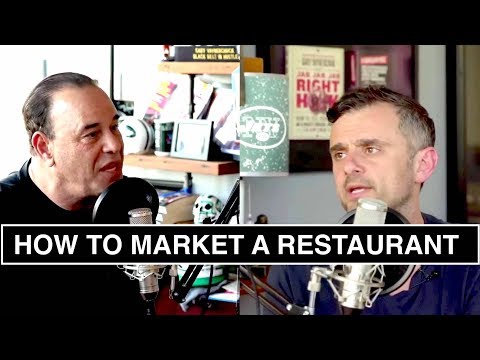
Use this as a format reference point:
 Watch on YouTube
Video also supports multiple goals at once. It can help a new guest discover the brand, remind a previous guest what they liked, or give regulars a reason to come back this week.
A low-friction production routine
Most restaurants don't need a content team. They need a repeatable filming habit.
- Batch record during prep: Capture several short clips in one session.
- Start with movement: Cheese pull, plating, slicing, pouring, or grill shots stop the scroll.
- Keep the frame tight: Viewers care more about texture and action than wide room shots.
- End with one action: Order now, book a table, visit tonight, or try the special.
Track watch time, completion, saves, shares, comments, and the traffic that follows. Effort ranges from low to high depending on ambition. ROI improves when you repurpose each shoot across multiple channels instead of filming from scratch every day.
9. Reputation Management & Review Strategy
Many operators treat reviews as customer service cleanup. They're also marketing assets. A potential guest often reads reviews before they visit, and what they see isn't just the star rating. They see whether management responds, whether complaints repeat, and whether the experience sounds consistent.
Uberall makes an important distinction in its restaurant marketing guide. Social media isn't necessary as an acquisition tool, but it is a retention tool. That same logic applies to review management. Reviews don't just attract strangers. They reassure returning customers that standards are still intact.
Why reviews affect more than trust
Reviews influence local visibility, click confidence, and operational learning. If guests repeatedly mention cold fries, long waits, or incorrect modifiers, the issue isn't the review. It's the process creating the review.
Good reputation management closes that loop. Marketing sees the pattern. Operations fixes it. Future reviews improve because the underlying experience improves.
A response standard your team can follow
Set a response style that sounds human and calm.
- Acknowledge specifics: Generic copy-paste replies make the brand look absent.
- Own the issue when it's real: Defensive replies usually make the review more persuasive.
- Take sensitive issues offline: Offer a direct contact path for refunds or service recovery.
- Share review themes internally: Front-of-house, kitchen, and marketing should see recurring patterns.
KPIs: review volume, review recency, recurring complaint themes, response time, and changes in conversion after listing improvements.
Effort is ongoing but manageable if one person owns the workflow. ROI is steady because a healthier review profile improves every channel around it.
10. Community Marketing & Local Brand Building
Not every restaurant should try to become a viral brand. Many should become the obvious local favorite. That's what community marketing does well. It builds familiarity, trust, and repeat business in a way paid acquisition often can't.
This matters even more for neighborhood restaurants, cafes, family concepts, and market-based operators. If your best customers live or work nearby, local relevance is one of your biggest competitive edges.
Where local brand building pays off
Community marketing works best when the involvement is visible and genuine. Sponsoring a school event, hosting a fundraiser, feeding volunteers, partnering with a local farm, or showing up consistently at neighborhood events all help. So does being the place that regulars feel comfortable recommending because the restaurant behaves like part of the area, not just a business extracting sales from it.
The content upside matters too. Local events, staff participation, and partnerships create more meaningful stories than generic promo posts.
How to make it operationally realistic
Don't commit to ten community efforts. Commit to a few that fit your team and values.
- Choose aligned causes: Support organizations your staff and customers care about.
- Build repeat presence: One annual sponsorship is fine. Consistent participation is better.
- Give staff a role: Let team members represent the brand at events and partnerships.
- Document it well: Capture photos and short videos so the effort supports social and email too.
KPIs: repeat visits from local customers, event-driven traffic, community referrals, branded search growth, and direct feedback from guests.
Effort is moderate. ROI is slower than paid channels, but often more durable. The strongest local restaurant brands usually don't separate marketing from community presence. They treat them as the same job.
10-Point Restaurant Marketing Comparison
| Strategy | Implementation complexity | Resource requirements | Expected outcomes | Ideal use cases | Key advantages |
|---|---|---|---|---|---|
| High-Quality Food Photography & Visual Content Marketing | Low–Medium, learning curve for best results | Good source images, editing/AI tools, occasional pro sessions | Higher click-through and 20–30% lift in conversions on listings | Delivery listings, menus, social posts, rapid menu updates | Boosts conversion and creates consistent brand visuals |
| Delivery Platform Optimization & Listing Management | Medium, ongoing optimization and testing | Platform accounts, optimized images, pricing and promo tools, review management | Increased visibility and orders; platform-provided analytics | Restaurants relying on Uber Eats/Deliveroo/Just Eat; ghost kitchens | Access to users actively ordering; platform logistics handled |
| Social Media Marketing & User-Generated Content Strategy | Medium–High, requires constant content and community work | Content creation, scheduling, influencer budgets, community managers | Greater brand awareness, engagement, organic reach and potential virality | Consumer-facing brands seeking growth and engagement | Builds authentic community and low-cost organic reach |
| Email Marketing & Customer Loyalty Programs | Medium, segmentation and automation setup | CRM/email platform, list growth, rewards infrastructure, integrations | High ROI (very strong repeat orders); measurable conversions | Retention-focused businesses and loyalty-heavy concepts | Direct customer access, personalized offers, measurable ROI |
| Search Engine Marketing (SEM) & Local SEO | Medium–High, technical SEO plus paid campaign management | Ad budget, SEO tools, GMB optimization, tracking and landing pages | Capture high-intent local customers; measurable traffic-to-order conversions | Restaurants seeking immediate local visibility and conversions | Targets users with purchase intent; complements delivery presence |
| Menu Engineering & Dynamic Pricing Strategy | High, data analysis and frequent updates | Sales/cost data, POS/analytics integration, pricing tools | Increased average check and profit margins; reduced waste | Multi-location operations and high-volume kitchens | Data-driven revenue optimization and margin improvement |
| Partnership Marketing & Cross-Promotion | Medium, negotiation and relationship management | Outreach resources, co-branded assets, joint promotions | New customer segments and lower acquisition costs | Local collaborations, event-driven growth, co-marketing | Shared audiences, PR opportunities, cost-effective reach |
| Video Content Marketing & Live Streaming | High, production and consistent publishing required | Video equipment, editing resources, talent/time for content | High engagement and shareability; potential viral exposure | Brands with visual/process-driven stories or ambition for virality | Strong emotional connection and broad organic reach |
| Reputation Management & Review Strategy | Medium, continuous monitoring and response | Review monitoring tools, trained staff, response protocols | Improved trust, local rankings and higher conversion rates | Businesses depending on local search and review-driven traffic | Builds social proof and provides actionable customer feedback |
| Community Marketing & Local Brand Building | High, time-intensive relationship building | Event budgets, sponsorships, staff time, PR efforts | Long-term loyalty, word-of-mouth growth and local goodwill | Neighborhood restaurants, independent operators, mission-led brands | Deep customer loyalty and sustainable competitive advantage |
Putting Your Marketing Plan on the Menu
The biggest mistake I see is trying to run all ten strategies at once. That usually creates two bad outcomes. The team burns out, and the execution quality drops so much that nothing becomes measurable. Restaurant marketing only works when the tactic fits the operation behind it.
Start with the channels closest to conversion. For most restaurants, that means your visuals, your listings, and your local discovery layer. If a guest finds you through Google, clicks into your menu, lands on a delivery app, and sees weak photos, confusing categories, and stale descriptions, every later tactic has to work harder to recover the sale. That's why the first priority should be fixing the conversion surface itself.
The second priority is retention. New-customer acquisition gets more attention because it's visible, but repeat business is usually what stabilizes the business. Email, loyalty, SMS, and review follow-up all help here, especially when they're tied to actual guest behavior instead of broad promotions. Separate acquisition from retention in your planning. A ghost kitchen may need conversion-heavy listing optimization first, while a neighborhood bistro may get more value from loyalty, reviews, and community events.
The third priority is consistency. Pick one social platform your customers use and run it well. Keep your Google Business Profile current. Respond to reviews with discipline. Refresh menu visuals when dishes change. Those habits aren't glamorous, but they create compounding gains because they support discovery, trust, and repeat orders at the same time.
If I were setting the first 30 days for a restaurant with limited time, I'd do three things. First, audit every menu and listing image and replace the weakest assets, especially for bestsellers and high-margin items. A tool like BeauPlat can be useful here if you need a faster way to create platform-ready visuals from smartphone photos. Second, fully clean up your Google Business Profile and make sure hours, links, categories, and core photos are accurate. Third, commit to one repeatable social content format you can sustain weekly without creating chaos for service.
The best marketing strategies for restaurants aren't the flashiest ones. They're the ones your team can run repeatedly, measure accurately, and improve without breaking operations. Build from that base, and the rest of the stack gets easier.
If your menu photos are holding back clicks and orders, BeauPlat gives restaurants a practical way to turn smartphone dish photos into high-definition visuals for delivery platforms, websites, menus, and social channels. It's a useful option when you need better imagery without organizing a full photo shoot every time the menu changes.
Take action
More desirable visuals, without repeat photo shoots
BeauPlat helps restaurants keep a visually consistent menu, publish faster, and convert better on delivery platforms and their own site.
More in this category

10 Best Apps for Restaurant Owners in 2026
Discover the best apps for restaurant owners in 2026. A deep dive into POS, labor, inventory, marketing, and photo tools to boost profit and efficiency.
 Jean de BeauPlatMay 17
AI Food Image Generator: A Restaurant Guide for 2026
Learn how an AI food image generator can boost your restaurant's sales. This guide covers use cases, best practices, ROI, and legal risks for food businesses.
Jean de BeauPlatMay 15
10 Low Cost Marketing Ideas for Restaurants in 2026
Boost sales with these 10 low cost marketing ideas for restaurants. Get actionable tips on social media, local SEO, and partnerships to grow your business.
Jean de BeauPlatMay 14
Best Food Delivery App for Restaurants: 2026 Guide
Discover the best food delivery app for restaurants in 2026. Compare top platforms to boost your orders, manage logistics, and increase your profit margins.
Jean de BeauPlatMay 13
8 Restaurant Food Photography Tips to Boost Sales
Master your menu visuals with our top restaurant food photography tips. Learn lighting, styling, and platform optimization to boost delivery app sales.
Jean de BeauPlatMay 12
Google Business Profile Post Image Size Guide (2026)
Get the exact Google Business Profile post image size for 2026. Our guide gives you pixel specs, cropping tips, and restaurant photo optimization secrets.
Jean de BeauPlatMay 11